
Understanding the psychology of risk in gambling behavior
The Role of Risk in Gambling
Gambling inherently involves risk, as participants wager money or valuables with the hope of winning more than they invest. The perception of risk varies widely among individuals, influenced by personal experiences, societal norms, and psychological predispositions. For some, discovering casinos not on gamstop amplifies their enjoyment of the thrill associated with potential loss, creating a complex relationship where risk-taking becomes an alluring aspect of gambling behavior.
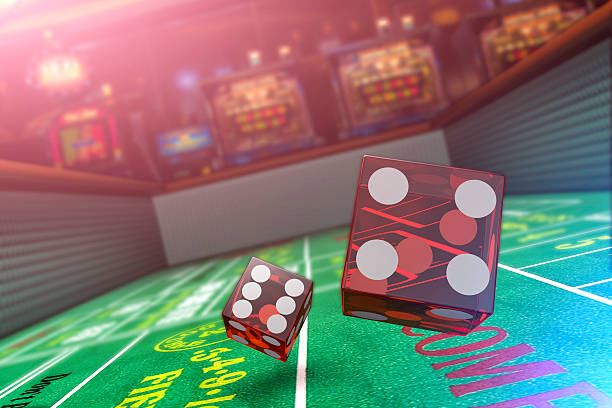
This thrill can sometimes overshadow rational judgment, leading individuals to underestimate the probability of losses. Cognitive biases, such as the illusion of control, further complicate this perception, as gamblers often believe they can influence the outcomes of games, despite their inherent randomness. Understanding these psychological underpinnings is crucial in addressing gambling behaviors and promoting responsible play.
Several psychological factors influence why individuals gamble and how they perceive risk. One major factor is the concept of loss aversion, which posits that losses weigh heavier on individuals than equivalent gains. This can lead gamblers to chase losses, resulting in increased risk-taking as they attempt to recover what they have lost. The emotional rollercoaster of gambling can provoke feelings of excitement, anxiety, and even euphoria, complicating their risk assessment.
Additionally, individual personality traits play a significant role in shaping gambling behavior. Risk-takers may find themselves drawn to games with higher stakes, while those who are more risk-averse may prefer low-stakes options. Understanding these psychological profiles can help in developing tailored approaches to gambling addiction and promoting healthier gaming habits.
The environment in which gambling occurs also influences individual risk behavior. Casinos and gambling venues are designed to be immersive and stimulating, often employing bright lights, loud sounds, and enticing rewards to capture attention. This carefully crafted atmosphere can lead individuals to take on greater risks than they would in a more subdued setting, blurring the line between calculated choices and impulsive decisions.
Social dynamics, such as peer pressure and the influence of surrounding gamblers, further amplify this effect. A person may feel compelled to engage in high-stakes betting when surrounded by others who are also taking risks, contributing to a communal atmosphere that can diminish personal accountability. Recognizing these environmental influences is essential for understanding the full spectrum of gambling behavior.
Given the psychological complexities surrounding risk in gambling, promoting responsible gambling practices is crucial. Individuals should be encouraged to set limits on their time and spending, fostering an awareness of the potential consequences of their actions. Education about the odds of various games can also empower gamblers to make informed decisions, reducing the likelihood of excessive risk-taking.
Moreover, support systems and resources for individuals struggling with gambling addiction must be readily available. This not only helps those in need but also contributes to a healthier gambling culture that prioritizes well-being over unchecked risk behavior. Strategies for intervention and prevention are vital to mitigating the adverse effects of gambling.
Our website is dedicated to providing insights into the psychological aspects of gambling and promoting responsible gaming. By understanding the factors that drive gambling behavior, we aim to equip individuals with the knowledge needed to make informed decisions. We believe that education and awareness are crucial components in fostering a safer gambling environment.
Join us in exploring the intricacies of gambling psychology, and discover resources designed to support healthy gaming habits. Together, we can contribute to a more informed and responsible approach to gambling, ensuring that it remains an enjoyable activity without detrimental consequences.
„`